How To Build A Consistent Wellness Checkup Routine For Cats
Author:Arooba
Released:November 7, 2025
Cats are quiet animals. They often hide pain or illness. This makes regular health care very important. A routine for wellness checkups helps keep your cat healthy and comfortable. It also helps catch problems early. Whether your cat lives indoors or outdoors, routine vet care matters.
Many owners wait until something feels wrong. That can be risky. Wellness visits are meant to prevent issues, not just treat them. Creating a steady routine makes care easier and less stressful over time.

Why Preventive Care Matters Throughout Your Cat's Life
Feline preventive care focuses on maintaining health before problems appear. It usually includes physical exams, parasite prevention, dental checks, and basic lifestyle guidance.
Kittens need more frequent visits early on. Adult cats typically benefit from yearly exams, while senior cats may need checkups every six months. As cats age, their needs change, and a routine makes those transitions easier to follow without guesswork.
For many owners, the challenge isn't understanding the value of preventive care - it's staying consistent. A simple, repeatable routine is often all that's needed.
Start By Choosing A Vet You Trust
Look for a clinic that handles cats gently and communicates clearly. A calm, quiet environment can significantly reduce your cat’s stress during visits. Clinics that use cat-friendly handling techniques - such as towel wraps, slow approach, and minimal restraint - often shorten exam time and improve cooperation.
A good veterinary clinic usually offers:
Gentle handling and patient staff
Clear explanations of findings and recommendations
Clean, quiet exam rooms
Attention to your cat’s comfort level
Also consider practical factors: appointment flexibility, ease of scheduling, availability of after-hours or emergency care, and willingness to discuss treatment options thoroughly. Ask about vaccination protocols, preventive screenings, and parasite control plans. Feeling confident in your vet’s expertise and approach makes it easier to keep a consistent wellness schedule, ensures your cat receives proactive care, and reduces anxiety for both you and your pet during visits.
Set a Fixed Schedule For Checkups
Most adult cats need one wellness visit per year. Senior cats may need visits every six months, depending on health status. To stay consistent, tie the appointment to a specific date, such as your cat's birthday or adoption anniversary.
Save the date in your phone calendar and ask the clinic to send reminders. Many clinics allow you to schedule the next visit before leaving, which removes the need to remember later. A fixed schedule turns checkups into a routine rather than an afterthought.
Stay Organized With Vaccination Reminders
Vaccines protect cats from serious diseases, even those that live indoors. Your vet will recommend a schedule based on age and lifestyle. Some vaccines require yearly boosters, while others last longer.
Keeping reminders makes the process simple. Useful options include:
Phone calendar alerts
Reminder cards or emails from your vet
A small health notebook or pet app
Having vaccination records organized also helps when boarding, grooming, or traveling.
Reducing Stress During Vet Visits
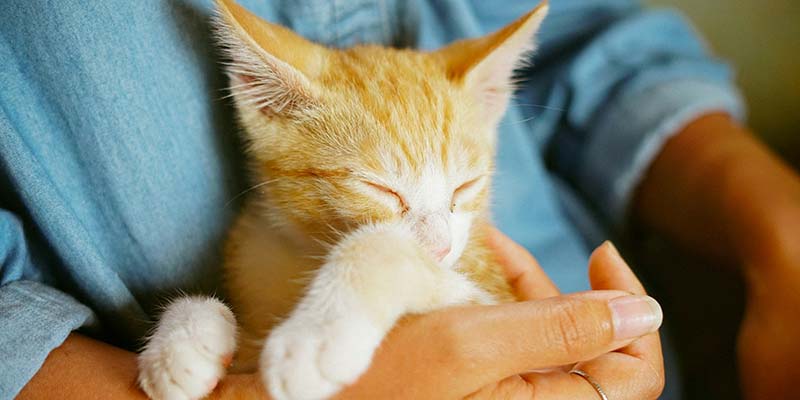
Many cats dislike travel and unfamiliar environments. Carriers often trigger anxiety, especially if they only appear before vet visits. Leave the carrier out at home with soft bedding, familiar toys, or a blanket with your scent to make it a safe, comfortable space.
During travel, keep the car quiet and avoid sudden movements. Speak softly and move calmly - cats sense your mood and mirror your stress. At the clinic, allow your cat to explore the carrier or exam table briefly if possible. After the appointment, reward them with treats, playtime, or petting. Positive experiences build trust and make future visits smoother, reducing anxiety for both you and your cat.
Watching Health Between Visits
Wellness care continues at home. Observing daily habits helps catch early issues. Pay attention to:
Appetite and water intake - note sudden increases or decreases; check if food is being avoided.
Weight and grooming habits - weigh your cat monthly; look for matting, excessive shedding, or overgrooming.
Energy levels and playfulness - track changes in activity, jumping, or interaction with toys.
Litter box use - monitor frequency, urine color, stool consistency, and any accidents outside the box.
Behavior or mood changes - watch for hiding, irritability, or unusual vocalization.
Keep brief notes in a phone app, spreadsheet, or notebook. Even subtle shifts - like less play, minor weight loss, or litter box changes—can indicate early health problems. Record weekly trends and bring observations to vet visits; concrete data helps your veterinarian detect issues sooner and provide personalized care for your cat.
A Small Routine That Makes a Big Difference
Creating a routine for feline wellness checkups supports early detection and long-term health. Regular exams, preventive care, and vaccination reminders work together to reduce risk and avoid surprises.
A simple routine saves time and lowers stress. More importantly, it helps your cat stay comfortable and healthy at every life stage. Consistent care is one of the most reliable ways to protect your cat's well-being.
Related Posts

Stop Your Dog from Stinking: Home Remedies for Skunk & Fish Smell

Not Bad Luck, Just Beautiful: 10 Black Cat Breeds You Should Know

Is Your Indoor Cat Bored? Simple Ways To Entertain Them
Homemade Cat Wand Toy Ideas That Keep Cats Engaged
Dog Ear Cleaning: A Simple Guide for Healthy Pets